Practical AI adoption
AI Chatbots Gone Wild: The Most Important Part of AI Is Still Human
The most important part of an AI system is not the AI.
Last week I met Beckie.
Beckie was friendly.
Beckie was polite.
Beckie was enthusiastic.
Beckie was also absolutely determined to ignore some of what I was telling her.
Before anyone feels bad for Beckie, I should explain that Beckie is an AI recruiting assistant.
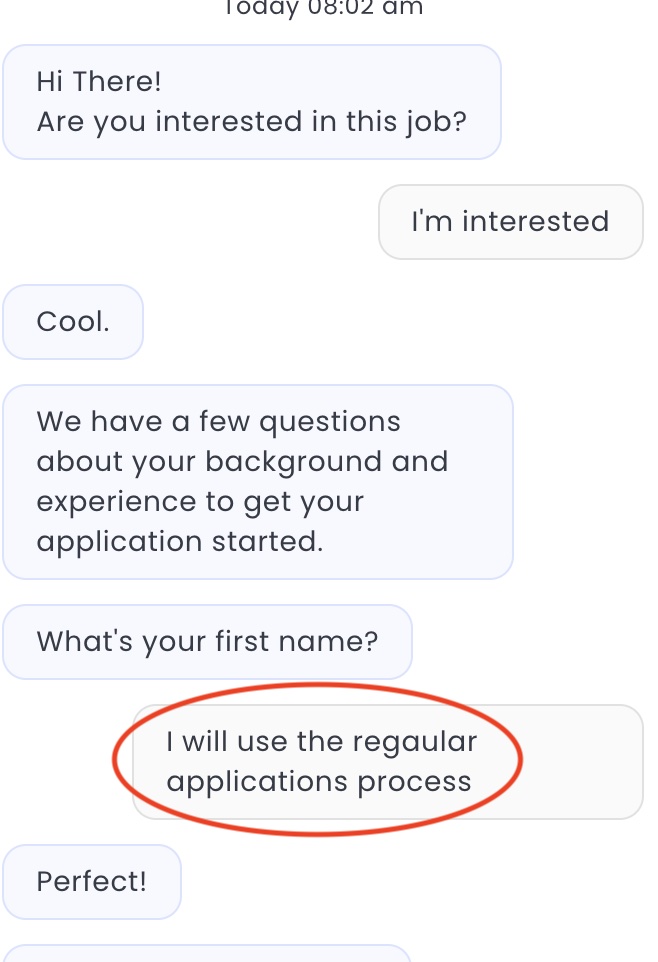
Over the course of our conversation, she asked questions, I answered them, and then she occasionally responded in ways that made me wonder if we were participating in entirely different conversations.
At one point, I started thinking of Beckie as a golden retriever with a clipboard.
Well-intentioned.
Eager to help.
Completely committed to completing the workflow.
Whether the workflow still made sense or not.
The funny thing is that by the end of our conversation, Beckie had taught me something important about AI.
Not because she was exceptionally smart.
Not because she was exceptionally bad.
But because she perfectly demonstrated one of the biggest misunderstandings I see about AI adoption.
The most important part of an AI system isn't the AI.
It's the humans behind it.
The Wrong Conclusion
When people have a frustrating experience with an AI chatbot, the natural reaction is to blame the AI. Be honest. You've probably thought at least one of the following:
"That chatbot doesn't work. It's worthless."
"Who programmed this thing?"
"Typical AI. Always screwing something up."
Sometimes that's true.
But often, it isn't.
In Beckie's case, the more I thought about the interaction, the more I realized she was doing exactly what she had been designed to do.
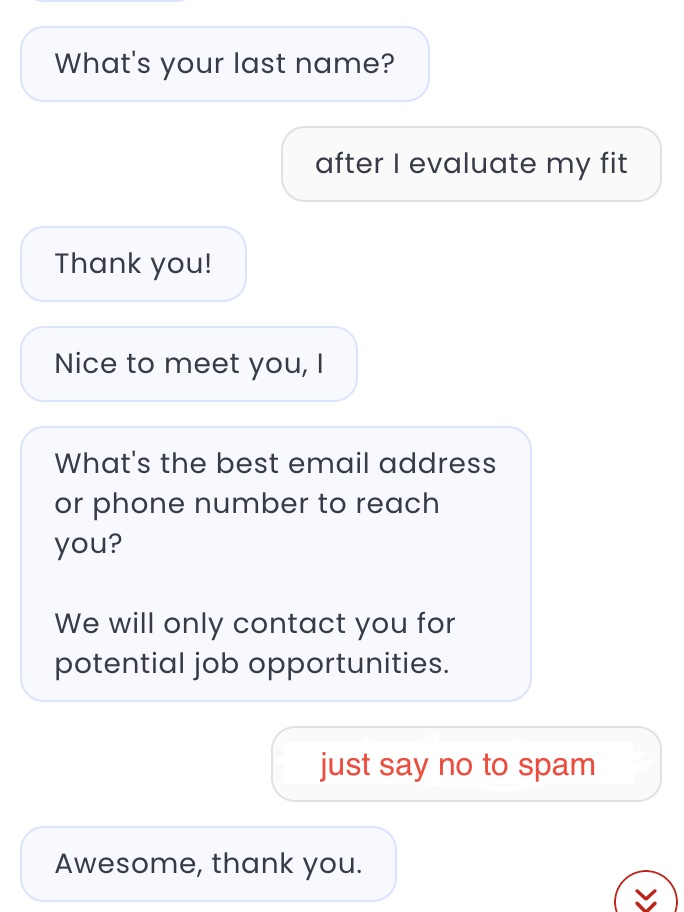
She wasn't malfunctioning.
She wasn't broken.
She wasn't making independent decisions.
She was following a process. Relentlessly. Heroically. Almost admirably.
The real question wasn't:
"Why did the AI do that?"
The real question was:
"Why was the process designed that way in the first place?"
That's a very different conversation.
AI Doesn't Fix Friction
One of the themes I've written about repeatedly is friction.
Businesses often look at AI and ask:
"Where can we automate?"
That's a reasonable question.
But it usually isn't the best question.
A better question is:
"Where is the friction?"
Because automation doesn't automatically eliminate friction.
More often that not, it amplifies it.
If a customer support process is confusing, AI can make confusion happen faster.
If a hiring process is frustrating, AI can frustrate more people in less time.
If an internal workflow is poorly designed, AI can help everyone experience that poor design more efficiently.
That's not an AI problem.
That's a process problem.
The AI is simply the amplifier.
AI Reflects Human Decisions
This is the part that doesn't get enough attention.
AI systems don't appear out of thin air.
Humans choose the goals.
Humans design the workflows.
Humans define the rules.
Humans decide what success looks like.
Humans determine when the system should escalate to another person.
Humans decide what information matters.
Humans decide what information gets ignored.
This is exactly what we want humans to do.
AI systems don't define business goals.
They don't decide what a good customer experience looks like.
They don't determine what success means.
Those are human responsibilities.
The AI is operating inside boundaries that people created.
When an AI experience feels thoughtful, that usually reflects thoughtful people.
When an AI experience feels frustrating, that often reflects decisions made long before the AI was ever deployed.
The technology matters.
But the people matter more.
The Difference Between Intelligence and Understanding
One of the things that struck me during my conversation with Beckie was that intelligence and understanding are not the same thing.
An AI can process enormous amounts of information.
It can recognize patterns.
It can generate responses.
It can perform tasks at remarkable speed.
But understanding is something different.
Understanding requires context.
Understanding requires judgment.
Understanding requires recognizing when the conversation has changed.
Understanding requires recognizing that people are not workflows.
This is one of the reasons human oversight remains so important.
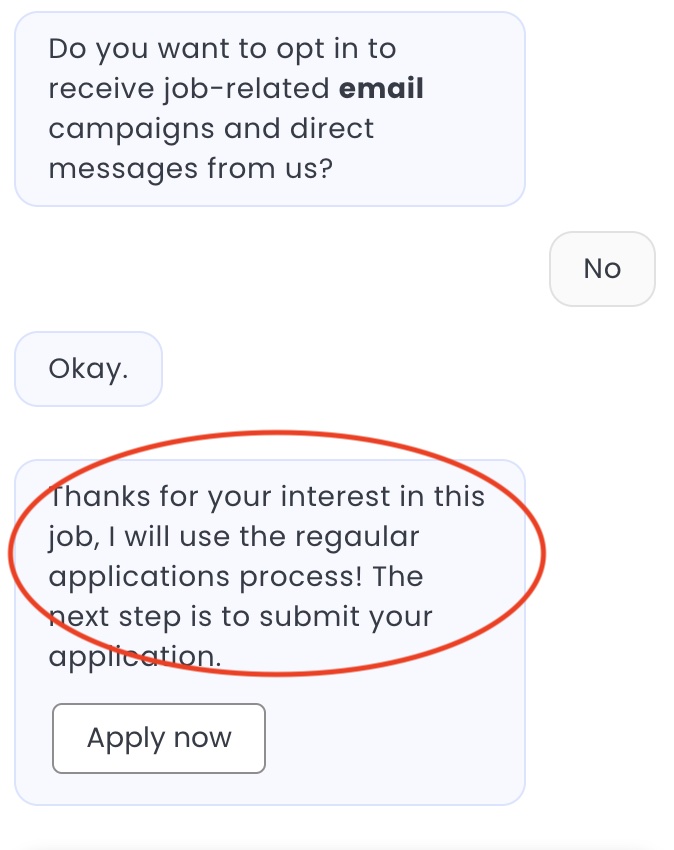
The goal shouldn't be to remove people from every process.
The goal should be to remove unnecessary friction while preserving the judgment that helps people navigate situations that don't fit neatly into predefined categories.
What Good AI Adoption Looks Like
The organizations getting the most value from AI are not treating it like magic.
They're treating it like a tool.
A very powerful tool.
But still a tool.
They use AI to help people:
- Find information faster
- Draft content more efficiently
- Summarize large amounts of data
- Handle routine requests
- Reduce repetitive work
At the same time, they recognize where humans continue to add tremendous value:
- Judgment
- Context
- Empathy
- Creativity
- Relationship building
- Accountability
The strongest AI implementations aren't replacing people.
They're helping people do their best work.
Beckie's Lesson
To be clear, Beckie isn't the villain of this story.
She was doing her job.
She was following instructions.
She was operating within the system that had been built around her.
In a strange way, that's exactly why the experience was so valuable.
Because it reminded me that AI success has never really been about AI.
It's about the people designing the experience.
It's about the processes supporting the technology.
It's about understanding the humans on the other side of the interaction.
The organizations that get this right won't be the ones with the flashiest AI.
They'll be the ones that use AI to reduce friction, improve experiences, and help people solve real problems.
AI is a powerful tool.
But the most important component is still human judgment.
And that's probably a good thing.