Practical AI adoption
The Story-to-Strategy Framework
With AI supporting the process, not driving it.
Imagine starting a new game of Monopoly...in Jail.
You didn't pass Go.
You didn't collect $200.
You just start stuck.
That's what a lot of AI efforts look like right now.
Most teams start by picking a tool.
And then work backwards trying to figure out what problem they're solving.
Sometimes successfully.
Usually not.
I've been writing a lot about how to think about AI over the past several posts.
Not tools.
Not prompts.
Not automation for the sake of automation.
Just clear thinking.
There's a structure underneath all of this.
I've been using it implicitly the whole time.
It's what keeps AI from turning into guesswork.
I call it:
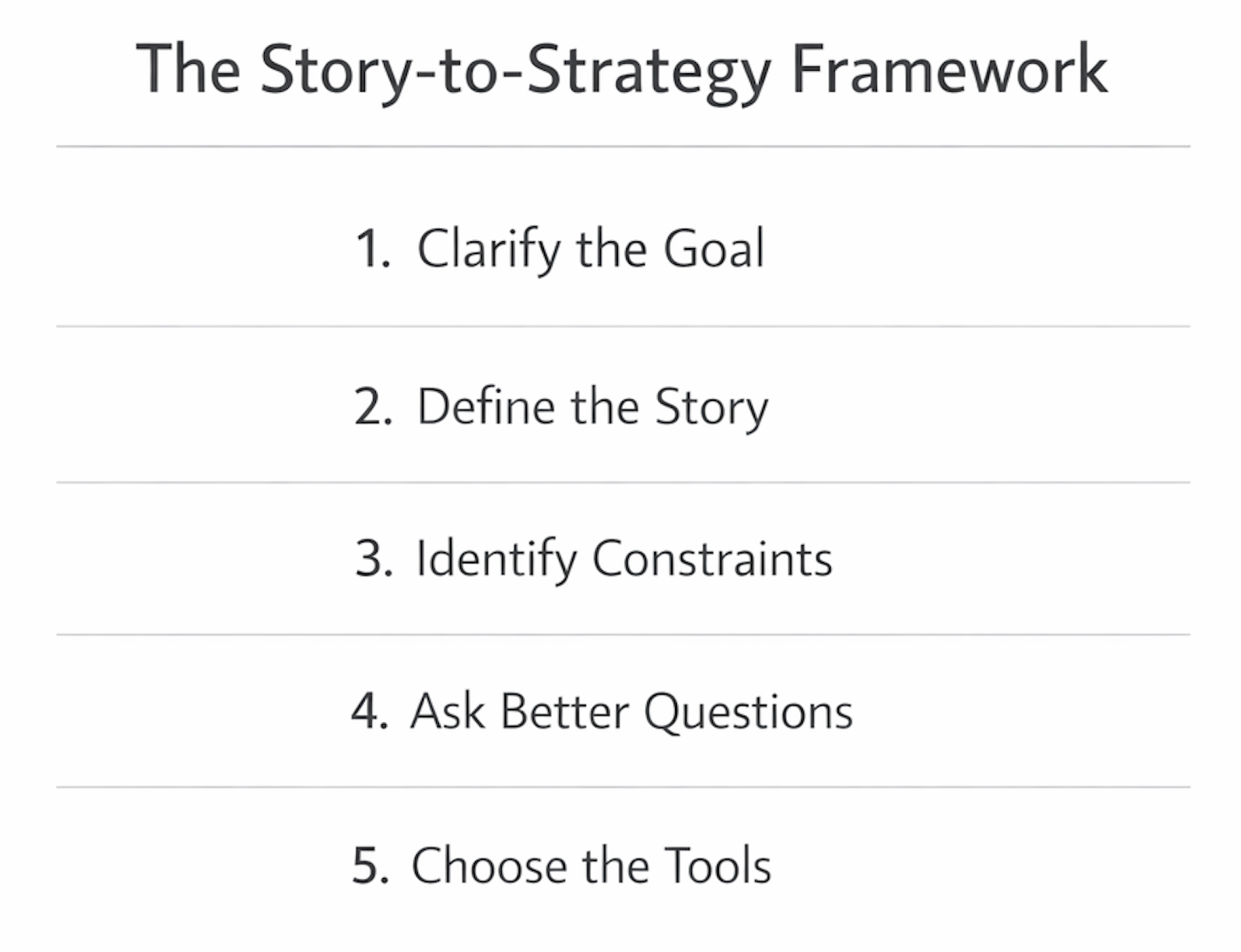
The Story-to-Strategy Framework
It's a way of moving from:
What's actually happening in the business to what we should do about it.
With AI supporting that process, not driving it.
Most teams start here:
5. Choose the Tools
They pick a platform.
Run a few prompts.
Maybe even build something.
And then...
Work backwards trying to figure out what problem they're solving.
That's where things start to drift.
The order actually matters.
1. Clarify the Goal
What are we trying to accomplish?
Not "use AI."
A real outcome.
2. Define the Story
What's actually going on?
Customers. Context. Constraints. Risks. Tradeoffs.
This is where most efforts quietly fall apart.
3. Identify Constraints
Time. Budget. People. Capacity.
Strategy without constraints is just imagination.
4. Ask Better Questions
Now bring AI into the conversation.
Not with clever prompts.
With context that builds from what you already know.
5. Choose the Tools
Now they make sense.
And just as importantly, the wrong ones are obvious.
Small and mid-sized businesses don't have the luxury of wasted motion.
This keeps things:
Focused
Practical
Grounded in reality
And most importantly:
Repeatable.
AI is powerful.
But only after the thinking is done.